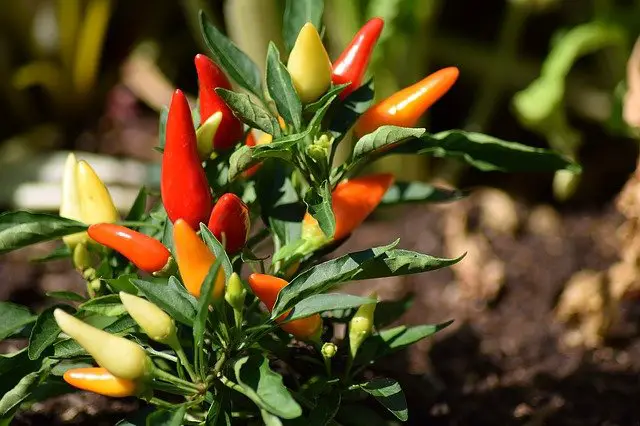
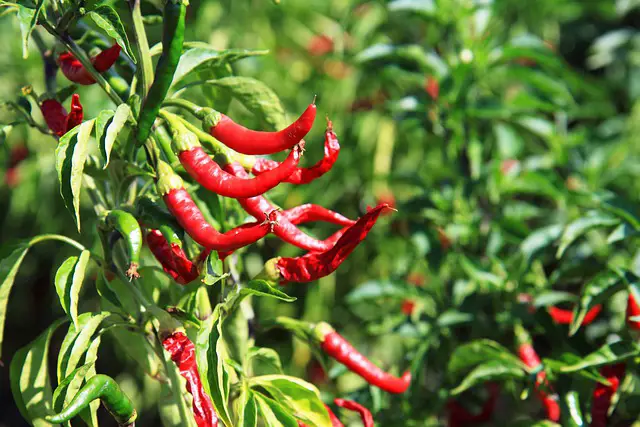
Pepper plants are hardy, easy to grow, and a delicious staple of any vegetable garden. Whether you’re growing bell peppers, hot peppers, or any other one of the many pepper varieties, every gardener dreads seeing holes in the leaves of the plants they’ve worked so hard to cultivate.
But what causes holes in pepper plant leaves? And how can you solve the problem?
Common culprits of these holes can range from pests and diseases to environmental factors, so it’s important to identify the problem in order to take the necessary steps to rectify it
There are two main reasons why your pepper plant might have holes: pests or disease. In this article, we will list the various pests and diseases that cause holes in your pepper plant’s foliage and how to avoid them.
Why are There Holes in Pepper Plant Leaves?
Reason 1: Pests
There are several pests that love to feed on pepper plants. Unfortunately, none of these insects provide any kind of benefit to your plants and, if gone unchecked, won’t stop until they’ve destroyed your entire crop. Before you know it, you may have a full-blown infestation on your hands.
Insects notorious for feeding on pepper plants are:
- Flea beetles
- Aphids
- Whiteflies
- Cutworms
- Ants
- Corn borers
- Hornworms
- Let’s look at each of these pests in further detail.
- Flea Beetles
These tiny black beetles usually attack younger plants, and eat distinct holes in pepper plant leaves.
Aphids
Aphids cluster under the leaves of the pepper plants and slowly eat holes in the leaves and stems, sometimes leaving behind a black, sooty residue. They also attract other pests that are harmful to your plants.
Whiteflies
Not only do whiteflies cause holes in pepper plants, but they also spread viruses and disease to the plants, which can cause leaves to turn yellow, shrivel up, or kill the plant altogether.
Cutworms
Cutworms are one of the most damaging pests to pepper plants, as they not only attack the leaves, but the stalks of your pepper plants – effectively taking down the whole plant. They usually target young, tender seedlings.
Grasshoppers
What gardener welcomes the sight of grasshoppers in their vegetable garden? Grasshoppers can be extremely destructive, chewing holes in pepper plant’s leaves and stalks.
Ants
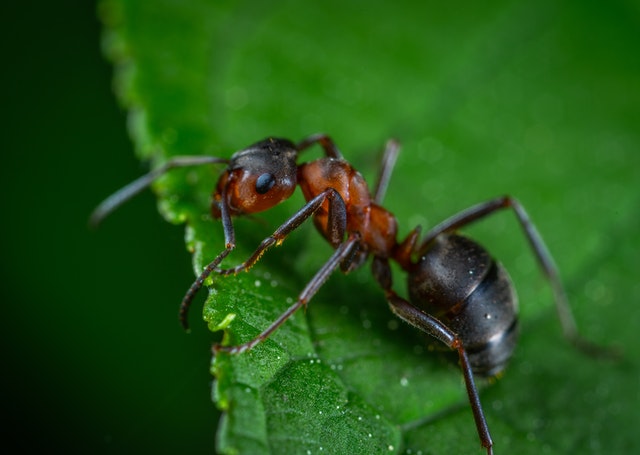
Where there are aphids, there are ants. Aphids attract ants through a secretion called honeydew, and ants can chew holes in the leaves.
Slugs ; Snails
Slugs and snails are particularly problematic if you live in a climate where it frequently rains. They aren’t as prevalent an issue for pepper plants, as peppers flourish in a dry environment with little water. But if you do have slugs or snails, you’ll notice holes on your pepper plants’ lower leaves.
Corn Borers
These pests burrow their way into the pepper plants’ stems and destroy the whole plant from the inside out.
Hornworms
These large, distinctive green worms are easy to spot, even before they chew holes in the leaves of your pepper plant.
How do I Stop Pests from Eating my Pepper Plants?
DIY bug spray
By adding 2 teaspoons of liquid dish soap to water, you can make an all-purpose bug repellent that won’t harm your plants – only the pests that devour their leaves.
To get rid of aphids and grasshoppers, mix 3 hot peppers, 1 mild green pepper, and 1 small onion to 1 quart of water. Using a spray bottle, generously apply to your affected plants.
For slugs and snails, add cold black coffee to a spray bottle and apply to the leaves of your crops. Coffee will also kill snails and slugs on contact, so keep this in mind if you catch these slimy pests devouring your pepper plants.
Garlic spray is another great option. Learn to make your own DIY garlic spray here.
Attract birds to your garden
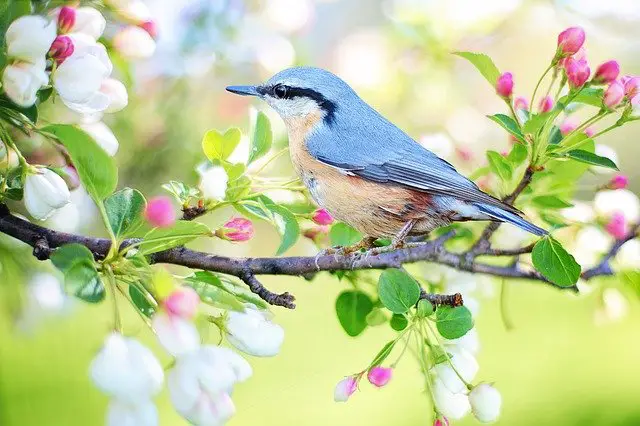
Birds are a wonderful and natural way to keep bugs and other pests out of your garden, especially larger ones such as slugs, snails, hornworms, cutworms, and grasshoppers.
Fill a birdbath in the center of your garden and keep a well-stocked bird feeder nearby to encourage birds to hang out in your garden and eat the pests.
Barriers
For soft-bodied pests that crawl along the ground, such as cutworms, hornworms, slugs, and snails, sprinkle eggshells or coffee grounds around the bases of your plants. Coffee grounds will kill them on contact, and eggshells are sharp and unpleasant for them to crawl over.
Reason 2: Disease
Most pepper plant seeds and seedlings are the disease-resistant varieties that are hardier and less susceptible to bacteria and viruses. However, not all pepper plants are disease-resistant, and are susceptible to the following:
- Bacterial leaf spot
- Mosaic virus
- Southern blight
- Powdery mildew
- Blossom end rot
- Sunscald
Let’s take a look at each of these common diseases. Keep in mind that while not all of these pepper plant ailments cause holes in the leaves by themselves, they all attract insects that do.
Bacterial leaf spot
This bacterial infection can cause yellow or brown spots on the leaves that appear like holes and cause the leaves to become droopy.
Mosaic virus
While this virus doesn’t cause holes in pepper plant leaves, it attracts insects that do. Unfortunately, once a mosaic virus has set in, there is little you can do.
Southern blight
This fungal infection affects pepper plants grown in warm climates. It mostly affects the stem, but can eat away at the leaves, killing the plant.
Powdery mildew
This mildew usually ails the undersides of pepper plant leaves. It usually occurs in warm, humid growing conditions.
Blossom end rot
As its name suggests, this disease affects the pepper flowers and fruit. It is usually caused by low quality soil without enough calcium.
Sunscald
This condition has a straightforward name and is the result of too much direct sunlight, causing the leaves to shrivel and gain a papery texture.
How to Keep your Pepper Plants Free from Disease
The best way to keep your pepper plants free of disease is to plant disease-resistant varieties, which are sold in garden stores in both seeds and seedlings. Also avoid overwatering your pepper plants, as too much water can cause rot and mildew.
Also see: Calathea Leaves Pointing Up
Summary
While both disease and pests can cause holes in pepper plant leaves, the best thing you can do is be proactive and only plant disease-resistant varieties. Learn to spot and identify pest presence and damage early on, so you can take care of the problem before you have a full-blown infestation.
While a few holes in your pepper plants’ leaves isn’t cause for concern, as your plant will likely produce a healthy crop, too many can be a sign of an ongoing pest problem.
Frequently Asked Questions
How can I protect my pepper plants from chewing insects?
There are a number of natural remedies for discouraging pests from your pepper plants. DIY pest sprays, natural predators, companion plants that attract beneficial insects to your garden, and attracting birds are all great ways. Always be proactive and keep a close eye on your plants for signs of damage so you can take care of any pest problem early.
What does it mean when there are holes in my pepper plants’ leaves?
If your pepper plants’ leaves have holes, this is a sign of insect damage.
Can I use pesticides to get rid of pests on my pepper plants?
Avoid using pesticides for anything but the most major of infestations, as pesticides can harm the plants and kill beneficial insects – like pollinators – that help your plants.

Hey, I’m Lisa and I’ve been an avid gardener for over 30 years. I love writing, talking and living in the garden! Feel free to connect with me on my socials below
